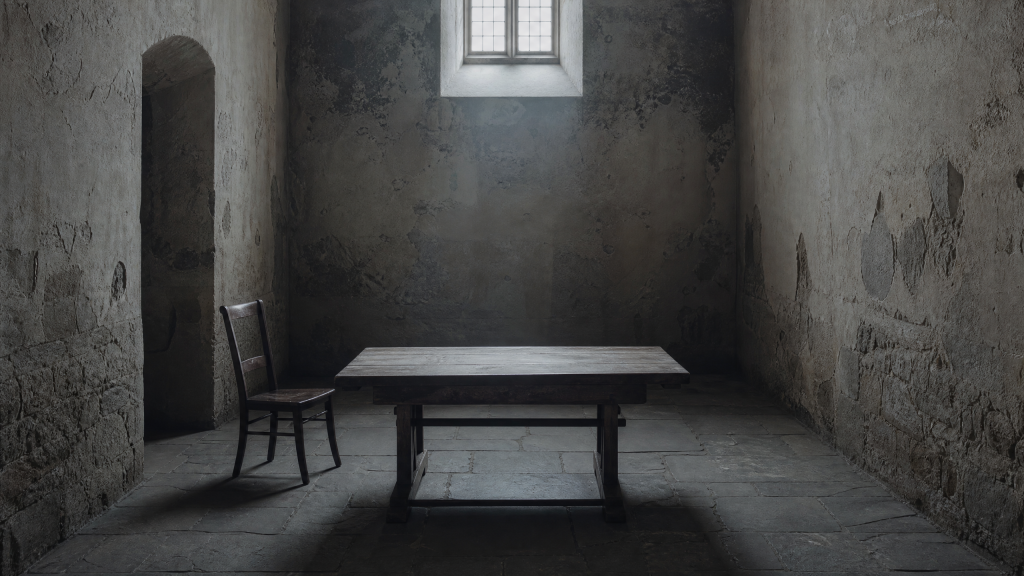
Some losses come with casseroles and cards and a community that knows how to grieve with you. Others, often the ones you chose, come with nothing, no ritual, no permission, no company. That grief is real, and naming it is the beginning of carrying it.
When certain losses happen, the world knows what to do. A death brings casseroles, cards, a gathering, a script that everyone understands. The community has rituals for that grief, and the rituals, for all their imperfection, carry the grieving person through. They are not alone, and their loss is recognized as a loss.
There is another kind of grief that comes with none of that. No casserole. No card. No ritual, no gathering, no socially recognized permission to mourn. It is often the grief of a loss you chose, a right decision that cost you something you loved, an ending you brought about because it was the correct thing to do even though it broke your heart. The world does not know how to grieve with you for that, because from the outside it does not look like a loss at all. It looks like a choice, and we do not bring casseroles for choices.
I have carried this kind of grief, and I can tell you it is harder in a specific way than the grief that comes with a casserole. Not necessarily larger. Harder, because it is unwitnessed. You are mourning something real, and there is no social permission to mourn it, no one acknowledging that what you are carrying is heavy, no ritual to move you through it. You grieve alone, often in private, sometimes while everyone around you assumes you are fine because the loss was, after all, your decision.
The decision being right does not make the loss smaller. This is the thing people do not understand. You can make exactly the correct choice, the one you would make again, and still lose something precious in the making of it, and still need to grieve that loss fully even though you would not undo the choice. Rightness and grief are not opposites. The right decision can be the most grievable thing you ever do, and the absence of permission to grieve it does not make the grief go away. It only makes it lonelier.
Why does this belong in a conversation about formation. Because the unwitnessed grief, the kind no one brings a casserole for, is one of the furnaces that forms people most deeply, precisely because it is carried alone. There is no community to lean on, no ritual to lean into. You carry it yourself, all the way through, and the carrying forges something in you that the witnessed griefs, for all their pain, do not. You learn that you can bear a heavy thing without anyone helping you bear it, and that knowledge changes what you believe you are capable of holding.
If you are carrying a grief that no one brings a casserole for, I want to give you the one thing the world is not giving you, which is permission. What you are carrying is real. The fact that you chose it, or that it does not look like a loss from the outside, or that no one has acknowledged it, does not make it less than grief. It is grief, full and legitimate, and you are allowed to mourn it even though no one sent a card.
Name it, at least to yourself. Say that it was a loss, even though it was right, even though you would do it again, even though no one is grieving it with you. The naming is the beginning of carrying it well. The grief no one brings a casserole for still has to be grieved, and you are allowed to grieve it, and the grieving is not weakness. It is the cost of having loved the thing you rightly let go.